

The Philadelphia Arena Plan is best judged as a long-term sports-business bet rather than a simple building project. The proposed 76 Place at Market East ties a major NBA venue to downtown foot traffic, event scheduling, transit use, neighborhood policy, and the city’s effort to capture more visitor spending around sports and entertainment.
Philadelphia Arena Plan Revenue Case
The strongest case for the project starts with its financing structure. The proposed arena was described by the City of Philadelphia as a privately financed, $1.3 billion project, with a 30-year lease and no city taxpayer dollars used to finance construction, according to the mayor’s September 25, 2024 announcement on the city arena agreement. That structure matters for sports-business analysis because it separates construction funding from the public subsidy models that often drive arena disputes in other markets.
The same city announcement projected more than $700 million in new tax revenues over 30 years for the City and School District of Philadelphia, along with another $593 million in income for workers in full-time jobs created by the arena. Those figures are projections, not guaranteed returns. Still, they give the city a measurable standard for judging whether the project supports broader economic goals after the arena opens.
Why The Philadelphia Arena Plan Matters Downtown
A downtown arena can work differently from a sports complex built around large parking fields. The economic upside depends less on one game night and more on repeated visitor movement through restaurants, hotels, retail, transit stations, and entertainment corridors. The Philadelphia Arena Plan is built around that idea: bring events closer to existing city infrastructure and try to convert arena traffic into spending that reaches nearby businesses.
The caution is that proximity alone does not guarantee a net gain. Fans can enter, watch an event, and leave without spending much outside the venue. For the city to capture more value, event timing, pedestrian routes, public safety planning, street-level retail access, and transit reliability all have to support the same goal. A downtown arena creates the chance for spillover spending, but the plan still has to earn it through operations.
Sports Tourism And Event Demand
Sports tourism involves more than just fans from afar attending playoff games. It also includes regional visitors traveling by train or car, families checking out non-sporting events, concert enthusiasts booking hotel accommodations, and media or team personnel spending money near the venue. For those interested in how venue choices can influence cities, related insights found at Sports Wire News offer valuable comparisons across a similar network of sports-business stories.
The event-volume case is central to the arena’s long-term value. Public project materials cited in the research point to a fully operational 2032 model with about 53 net new events per year, including concerts, family shows, and special sports or dirt events. That number matters because a new arena does not generate its best economic impact from the home team alone. The building has to fill dates beyond the NBA calendar and keep visitors coming into Market East across many parts of the year.
Visitor Flow Beyond 76ers Games
The 76ers would be the anchor tenant, but sports tourism gains would come from a broader event calendar. Concerts and special sports events can reach audiences that do not overlap fully with basketball crowds. Family shows can bring daytime or early-evening traffic. That mix creates more chances for hotels, restaurants, and nearby stores to see repeat demand.
Other cities have used arena projects to reshape downtown event habits, though each market has its own limits. A useful comparison point is how venue financing, seating needs, and public obligations shaped the Delta Center conversion discussion in Utah. Philadelphia’s test is different because Market East already has dense transit access and established neighborhood concerns. The sports-business question is whether the arena can add event spending without weakening the existing business base around it.
Neighborhood, Transit, And Arena Trade-Offs
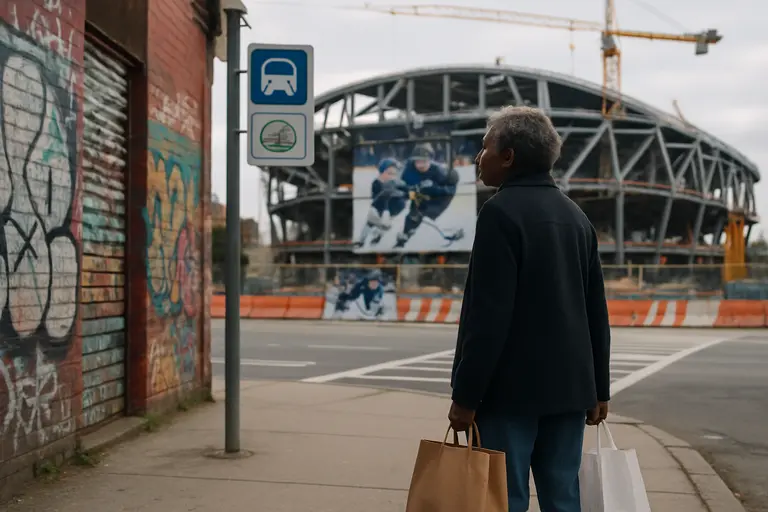
Philadelphia City Council approved arena legislation on December 19, 2024. Council’s arena information page said that approval allowed demolition of parts of the Fashion District to start in June 2026, construction to begin in August 2028, and the arena to open in August 2031, while also noting that the Community Benefits Agreement increased to $60 million for impacted neighborhoods and related investments, as detailed by City Council’s arena information.
That timeline places the project in a long runway. As of September 20, 2026, the June 2026 demolition window had passed on the project schedule, while the August 2028 construction start and August 2031 opening remained future milestones based on the public plan. Long lead times can help cities prepare, but they also extend uncertainty for nearby businesses and residents.
The Community Benefits Agreement is one of the main policy tools tied to the plan. Its stated focus includes impacted neighborhoods, with particular attention to Chinatown, plus education, affordable housing, and economic opportunity. For arena economics, that fund is not a side issue. If nearby communities absorb disruption without lasting benefit, the project’s public value weakens even if arena operations perform well.
- Upside: A privately financed arena reduces direct construction-financing risk for city taxpayers.
- Upside: A larger event calendar could support hotels, restaurants, retail, and transit usage.
- Risk: Construction disruption and business displacement could reduce gains for existing neighborhoods.
- Risk: Tax and job projections depend on attendance, event booking, wages, and local spending capture.
Transit As A Sports-Business Factor
Transit is not just a civic planning issue here. It is part of the arena business model. A center-city building needs high-capacity movement before and after events, especially if the plan relies on visitors spending time downtown rather than driving straight to a parking lot and leaving. Research notes tied to the project point to significant SEPTA exposure during construction and after opening, including a target share of arena attendees using transit.
If transit service is reliable, the arena can draw regional visitors without forcing every event into a car-first pattern. If service is strained, the fan experience suffers and neighborhood pressure rises. That is why transportation costs should be weighed alongside projected tax revenue. The arena may be privately financed, but the event-day system around it will still depend on public infrastructure.
Philadelphia Arena Plan Risks And Local Payoff
The Philadelphia Arena Plan should be viewed through a balanced sports-business lens. The upside is clear enough: a major privately financed venue, a long lease, projected tax growth, potential worker income, and a sports tourism platform in the city core. Those are meaningful points for a city seeking more year-round event activity.
The risks are just as relevant. Job projections can be narrow when measured over decades. Event spending can shift from one part of the city to another rather than creating fully new demand. Neighborhood harm can reduce the civic case for the project. Transit needs can become a recurring cost pressure. None of those concerns erase the potential benefits, but they keep the analysis grounded.
For the arena to deliver, Philadelphia will need more than a strong opening period in August 2031. The city, team, operators, and neighborhood stakeholders will need to track public revenue, local hiring, small-business conditions, event booking, transit performance, and visitor spending after the building is active. That data will decide whether the project becomes a durable sports tourism asset or a more limited venue relocation with uneven gains.