

Lenovo Center Upgrades have reshaped how Carolina Hurricanes fans experience a night in Raleigh, not by replacing every familiar arena ritual, but by changing how spectators see, gather, and move through the building. The most visible thread is still the big-screen environment: the center-hung video board installed in September 2019, the monitors added to premium spaces, and the viewing areas built into the renovation plan. For a hockey building that also hosts college basketball and concerts, those changes matter because the screen is no longer just a replay tool. It is part of how fans stay connected to the event when they leave their seats, shift to a bar area, or sit in a suite with a different view of the ice.
What Lenovo Center Upgrades Change For Viewing
The arena’s video experience did not begin with the 2025-26 renovation phase. The major shift came in September 2019, when the building installed a Daktronics center-hung video board that was reported as nearly three times larger than the previous one. The board includes a full 360-degree display, two underbelly screens, and two underbelly static advertising signs. Research notes place the display at about 4,000 square feet, stretching from blue line to blue line across the ice. That scale changed the viewing culture inside the arena because the screen became a shared reference point for replays, in-game prompts, and moments that connect the lower and upper bowls.
Lenovo Center Upgrades And The Main Board
The 2019 board remains central to how Hurricanes games are framed for the crowd. A large center-hung display can help fans track a deflection, a crease scramble, or a disputed play that was hard to read from a steep angle. In hockey, where the puck can disappear along the wall or under skates, the replay board has more practical value than spectacle alone. It supports arena understanding, especially for casual fans or families bringing younger viewers who may need a second look to follow the pace.
Still, the main board is only part of the building’s viewing system. The club’s renovation update described phase-one work for the 2025-26 season that included bunker suites with oversized monitors and an exclusive feed, including camera access described in the release as coming from 8K cameras Hurricanes renovation update. That matters because premium seating can sometimes trade atmosphere for privacy. By adding dedicated screens, the arena reduced the risk that suite guests would lose the rhythm of live play while socializing or moving around their space.
Screens Beyond The Seat
The View Bar, located in sections 317-319, opened on February 17, 2026, during an NC State vs. UNC basketball game. The concept is tied directly to visibility: fans could gather for a drink and remain connected to the court or ice through monitors in the space. That is a practical fan-experience change rather than a purely decorative one. A person leaving a standard seat during a stoppage may still miss a faceoff, a scoring chance, or a shift change that builds pressure. Distributed screens reduce that gap between movement and attention.
For the Hurricanes, Lenovo Center Upgrades also reflect a wider NHL trend toward keeping fans inside the event even when they are not physically in their assigned seats. The difference in Raleigh is that the building already had a large center-hung board, so the newer changes appear to extend that visual system into more parts of the arena rather than starting from scratch.
Lower Bowl Work And Fan Flow
The June 2026 renovation approvals shifted the conversation from screens alone to how sightlines and circulation affect the entire night. WRAL reported that the Centennial Authority approved more than $70 million in projects within the broader $300 million enhancement plan, including lower bowl seat replacement, new seating in the lower bowl and upper levels, and work tied to 360-degree access around the ice or court WRAL arena report. Those are not video-board changes in a narrow sense, but they influence how fans encounter the screen, the live surface, and each other.
Seat Changes And Sightlines
Replacing lower bowl seats can change the feel of a building even when the seating bowl keeps its basic identity. Seat geometry, spacing, and access points all affect how quickly people return after intermission and whether they block views during active play. The research notes do not provide a row-by-row sightline study, so any claim about improved views should be cautious. What is supported is that the project included seat replacement and added seating, both of which can alter how fans relate to the ice, the benches, and the overhead board.
That relationship is central to the hockey experience. A lower bowl spectator may rely less on the center-hung screen during open play but more on it for replays and crowd prompts. An upper-level fan may use the board more often to confirm puck movement near the far goal. In both cases, the big screen functions as a common visual language across price points and seating levels. A related Dashers Hockey analysis of Lenovo Center seating and lounge changes examined how those building adjustments fit into the broader game-night flow.
Why 360-Degree Access Matters
The planned 360-degree access around the ice or court is a fan-flow issue first, but it also affects viewing. Better circulation can reduce the sense that leaving a seat means stepping out of the event entirely. If fans can move around the arena level more easily, monitors, concourse views, and the main board become part of one connected system. That can be especially useful on crowded hockey nights, when concession lines and restroom trips often collide with short intermissions.
There is also a community dimension. Hurricanes games have become social gatherings as much as athletic contests, and the arena’s design shapes how those gatherings feel. For readers interested in how sports venues connect to local culture, Ambikapur City offers insight into place-based sports coverage, reflecting similar themes beyond Raleigh. The lesson for hockey is straightforward: arena upgrades are not only about hardware; they influence how fans share space before puck drop, between periods, and after the final horn.
Major Events Put The Building To The Test
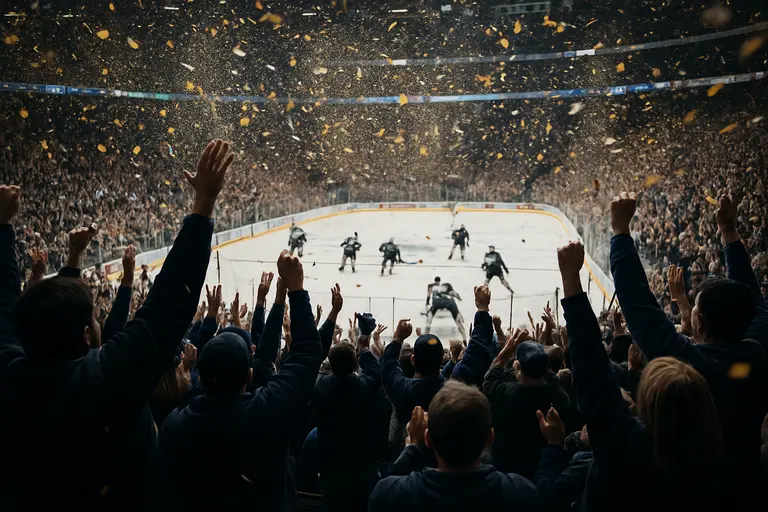
Because Lenovo Center hosts more than Hurricanes games, its screen and seating updates have to serve multiple event types. The View Bar opened during a college basketball rivalry setting on February 17, 2026, which was a useful test case because basketball sightlines and crowd behavior differ from hockey. Fans track a larger ball, shorter possessions, and frequent half-court sets. Hockey asks the same building to support faster lateral motion, changing lines, and a smaller puck. A flexible screen network helps bridge those differences.
Hockey, Basketball, And Concert Demands
Concerts add another layer. The research notes indicate that capacity can rise for certain shows, but exact show-by-show configurations depend on staging and floor setup. That uncertainty matters. A center-hung board that defines a hockey night may not function the same way for a concert if rigging, lighting, or stage placement changes the visual focus. The safer conclusion is that seating, access, and distributed monitors give operators more tools to manage different crowds, not that one setup works identically for every event.
For Hurricanes games, the strongest supported point is that the building has added ways for fans to keep sight of the action. The center board handles the shared in-bowl moment. Suite monitors serve premium areas. The View Bar gives standing fans a way to follow play. Circulation work aims to reduce friction around the ice or court. Taken together, Lenovo Center Upgrades point toward a building that treats viewing as something that happens across the whole venue, not only from a fixed seat.
Lenovo Center Upgrades And Raleigh Hockey Culture
The fan impact should be measured carefully. Screens and new seats do not create a hockey culture by themselves. Carolina’s game-night identity still depends on the team, the crowd, the tailgate habits around the arena, and the shared memory of past playoff runs. Yet the building can either support that culture or work against it. If fans can move with less congestion, see replays more clearly, and stay connected from bars and suites, the arena becomes better aligned with how people actually spend a night at a modern NHL game.
That is the clearest sports value of Lenovo Center Upgrades. They extend attention. A fan who steps away for a drink is less detached from the game. A suite guest has fewer dead spots in the viewing experience. A lower bowl spectator returns to a refreshed seating area while still using the big board as the shared source for replays and crowd cues. The project’s full impact will be easier to judge across a larger run of Hurricanes games and other events, but the supported evidence points to one theme: Lenovo Center is being adjusted around the way fans gather, watch, and move during live sports.