

The Herb Brooks renovation reached its first real fan-facing test after St. Cloud State reopened its hockey home in Fall 2026, with the men’s team hosting Michigan Tech on October 9–10, 2026. The $12.9 million project was not just a construction story. It changed the ice infrastructure, adjusted rink dimensions, refreshed safety barriers and set up a more flexible venue rhythm after months of public closure.
For a college hockey building, those details matter because game day is built from many small points of contact. Fans notice whether they can see through clean glass, whether sound reaches the seating bowl clearly, whether lighting makes play easier to follow, and whether teams can trust the ice for practices and games. At Herb Brooks National Hockey Center, the work finished in time for the 2026-27 men’s and women’s seasons, preserving the regular-season home schedule after a spring and summer stretch away from the building.
How Herb Brooks renovation Changed Game Day
Sharper Sightlines And Safer Edges
One of the most direct fan changes came through the replacement of dasher boards, protective glass and spectator netting. That may not carry the drama of a new scoreboard, but it sits close to the way people actually watch hockey. Boards and glass frame the puck, affect reflections, influence camera views and form the first physical boundary between players and fans.
The updated seating-area lighting and new LED lighting in both rinks should also help the building feel clearer without changing the sport into a show detached from the ice. Hockey is difficult to watch live when the puck disappears into glare, dark corners or scratched glass. Better lighting and cleaner barriers can make rushes, rimmed pucks and net-front traffic easier to read from more seats.
The main rink now measures 200 by 94 feet, while the auxiliary rink measures 195 by 85 feet. Those dimensions moved the facility closer to modern rink preferences, based on the renovation notes available for Fall 2026. The practical game-day effect is less about novelty and more about consistency: teams, officials, operations staff and spectators all benefit when the sheet fits the style and pace that college programs expect.
Video Displays As Part Of The Hockey Night
The building’s screen environment had already changed before the 2026 rink and infrastructure project. During the earlier 2022-23 period, Herb Brooks National Hockey Center added 10 videoboards and LED video displays, including two 15-by-44-foot displays behind the goals, a center-hung scoreboard, concourse and entrance panels, and improved sound, according to Watchfire’s project account.
That matters because the 2026 work did not happen in isolation. The ice plant, lighting, boards and glass now operate inside a building that already had a more visible digital presentation layer. Used well, that can support replays, lineups, sponsor messages, timing information and crowd cues without pulling attention away from the game. Used poorly, it can create noise. The useful standard is whether the screen package helps fans understand stoppages, penalties and momentum swings while keeping the rink as the center of attention.
For comparison across hockey buildings, arena display upgrades often raise similar questions about power use, scoreboard clarity and fan comfort; that context is covered in our related analysis of scoreboard clarity and arena reliability. Herb Brooks National Hockey Center is smaller than NHL venues, but the fan-experience logic is similar: video can help a crowd feel informed, while the ice, lighting and sound must still carry the night.
Scheduling Flexibility After The Closure
Why Herb Brooks renovation Fit The Calendar
The most meaningful scheduling decision was made before the loudest construction work began. Construction started in mid-March 2026 after the 2025-26 collegiate hockey season, according to St. Cloud State’s construction announcement. That timing reduced the risk of in-season game cancellations and gave the project a defined runway toward Fall 2026.
During the closure, Herb Brooks National Hockey Center was not available to the public, and both ice sheets were unavailable. St. Cloud State’s men’s and women’s hockey teams practiced at Bernick’s Arena in Sartell, Minnesota, until the building reopened. That relocation was disruptive, but it was a temporary operational adjustment rather than a permanent break in the program’s home schedule.
The Herb Brooks renovation was completed by Fall 2026, and the formal completion was marked by a ribbon-cutting ceremony on October 1, 2026. By October 9–10, 2026, the facility was ready in full for home games when the men’s team hosted Michigan Tech. As of October 12, 2026, the key scheduling takeaway is clear: the construction window forced practices and public use elsewhere, but it did not erase the start of regular-season home games.
Two Rinks, More Uses, Less Margin For Delay
A two-rink college facility carries more than varsity game nights. It supports practices, auxiliary ice use, public activity and community hockey needs. When both sheets close, the pressure spreads beyond the men’s and women’s teams. Community users were redirected during the project, and that should be treated as a real cost even though the main varsity schedule was preserved.
That is where the renovation’s schedule discipline matters. A project that replaces major ice infrastructure can easily disrupt more than one user group. The original cooling plant had been in place since the facility opened in 1989, and the new ammonia-based refrigeration system involved major under-ice work, including about 28.4 miles of refrigerant piping and roughly 65 truckloads of concrete for the new base. Those are not cosmetic changes. They affect whether the building can keep ice reliably through heavy usage periods.
The building’s role in the wider St. Cloud sports community also helps explain why schedule planning carried weight. Regional sports venues often serve layered audiences, from varsity supporters to youth families and visiting teams. That same community-sports lens applies across related network coverage, including regional sports venue coverage that tracks how facilities shape local participation and gathering spaces.
Energy, Ice Quality And Building Reliability
Operational Gains Fans May Not See
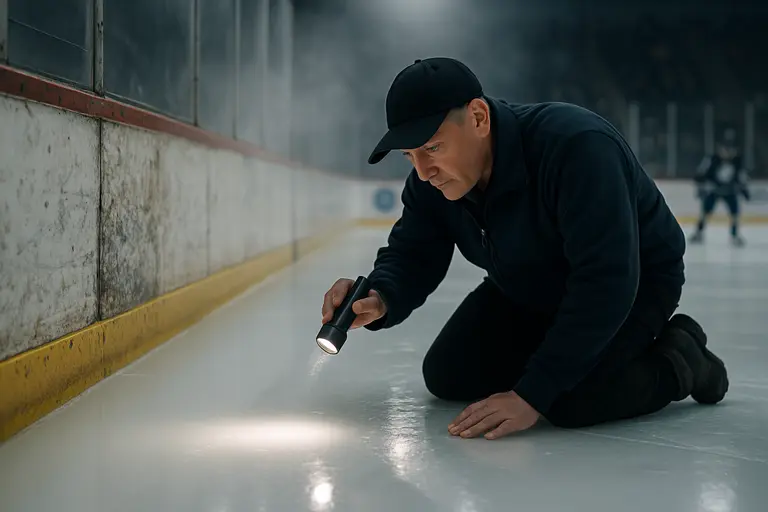
Some of the most important upgrades may be hard to notice from a seat. New LED lighting in both rinks was estimated to reduce lighting energy consumption by 35 percent. Automatic temperature controls were upgraded with expected HVAC energy savings of up to 20 percent. Other equipment, including rooftop air handling, dehumidifiers and condensing units, was updated with an expected 5 to 10 percent energy efficiency improvement.
Those figures should be read with caution because energy estimates depend on actual building use, weather conditions, event volume and operating settings. Still, they point to a broader venue goal: making the building easier to manage across practices, games and community windows. If the refrigeration system is more dependable and the controls are more precise, the arena staff has a better chance to maintain ice and comfort across a busy hockey calendar.
For fans, that can show up indirectly. Better environmental control can support more consistent ice conditions, less discomfort in the seating bowl and fewer operational surprises. For players, coaches and officials, reliable ice is not a luxury. It affects pace, puck movement and safety. The Herb Brooks renovation therefore has a competitive dimension as well as a guest-experience dimension.
- Game-day viewing should benefit from new boards, glass, netting and seating-area lighting.
- Scheduling flexibility improved because construction was placed between seasons, with practices temporarily moved off site.
- Long-term operations may benefit from the new refrigeration system, LED lighting and upgraded controls.
What Herb Brooks renovation Means For St. Cloud State Hockey
The Herb Brooks renovation did not try to redefine St. Cloud State hockey through spectacle alone. Its more meaningful effect is structural: a new ice plant, updated rink surfaces, better barriers, clearer lighting and a schedule plan that protected the start of the 2026-27 home slate. The earlier video board project remains part of the building’s modern game-day identity, but the 2026 work addressed the systems underneath the show.
That balance is important for a college hockey venue named for one of the sport’s most recognizable coaching figures. Fans come for the team, the band of regulars in the stands, the student energy and the rituals that make a rink feel like a local home. Arena projects work best when they support those habits rather than bury them. Based on the known facts as of October 12, 2026, Herb Brooks National Hockey Center came through a disruptive construction period with its home schedule intact and its core hockey functions materially updated.
The fair measure will come over repeated home dates, not one reopening week. If the sightlines hold up, the ice remains dependable, the video displays inform rather than distract, and community users regain stable access, the project will have strengthened more than a building. It will have protected the shared hockey routines that give St. Cloud State game nights their value.